Real-Life Examples of Artificial Intelligence in Action
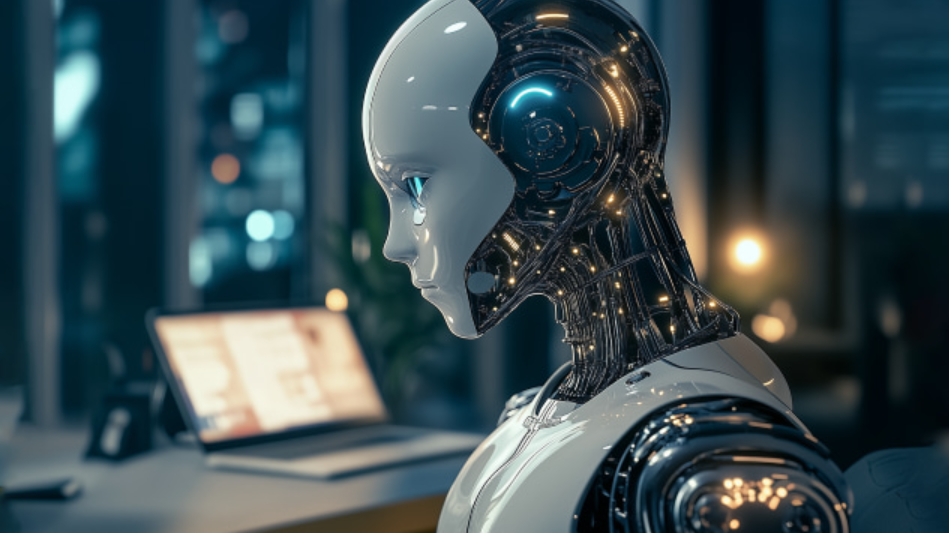
Artificial intelligence is increasingly integrated into various sectors, showcasing its potential to transform industries. In healthcare, AI tools enhance diagnostic accuracy. Financial institutions leverage AI for improved fraud detection, while entertainment platforms personalize user experiences through tailored recommendations. These examples illustrate AI’s broad applicability and impact. However, the implications of these advancements raise critical questions about the future of work, ethics, and human interaction in an AI-driven world. What lies ahead as this technology continues to evolve?
AI in Healthcare: Revolutionizing Patient Care
As healthcare systems worldwide grapple with increasing demands and complexities, artificial intelligence emerges as a transformative force, enhancing patient care in unprecedented ways.
AI-powered diagnostic tools improve accuracy and speed, allowing for timely interventions. Meanwhile, virtual assistants streamline administrative tasks, enabling healthcare professionals to focus on patient interaction.
Together, these innovations foster a more efficient, responsive healthcare environment, ultimately promoting patient autonomy and well-being.
See also: How Wearable Technology Tracks Your Health
AI in Finance: Enhancing Decision Making
While financial markets are often characterized by volatility and uncertainty, the integration of artificial intelligence is reshaping how decisions are made within this sector.
AI enhances risk assessment by analyzing vast datasets for predictive insights, allowing firms to make informed choices.
Additionally, its capabilities in fraud detection streamline operations, safeguarding assets and fostering trust, ultimately empowering stakeholders to navigate the complexities of finance with confidence.
AI in Entertainment: Personalized Experiences
How can artificial intelligence transform the entertainment landscape into a more personalized experience for audiences?
By leveraging algorithms that analyze user preferences, AI enhances content recommendations, ensuring that viewers encounter material tailored to their tastes.
This fosters deeper audience engagement, as individuals are more likely to connect with curated offerings.
Ultimately, AI’s role in entertainment empowers audiences to explore diverse content aligned with their interests.
AI in Transportation: Shaping the Future of Mobility
The impact of artificial intelligence extends beyond entertainment, reshaping various sectors, including transportation.
Self-driving cars are revolutionizing personal mobility, promising increased safety and efficiency.
AI-driven traffic management systems optimize flow and reduce congestion, allowing for a more liberated commuting experience.
As these technologies advance, they pave the way for a future where freedom of movement is redefined, enhancing urban living for all.
Conclusion
In conclusion, the pervasive integration of artificial intelligence across various sectors symbolizes a transformative wave reshaping modern society. From revolutionizing patient care in healthcare to enhancing security in finance and personalizing entertainment experiences, AI acts as a catalyst for innovation and efficiency. As this technology continues to evolve, it promises to unlock further potential, driving industries forward into uncharted territories—much like a compass guiding a ship through the vast ocean of possibilities.