How Wearable Technology Tracks Your Health
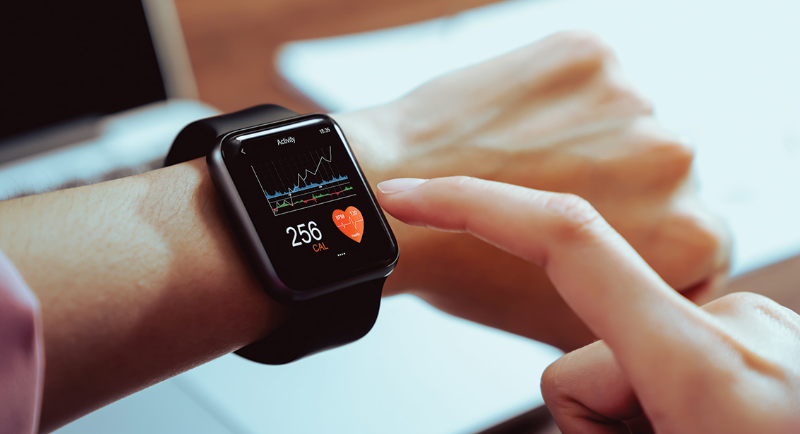
Wearable technology has transformed how individuals monitor their health. Devices such as smartwatches and fitness trackers gather vital statistics, including heart rate and sleep patterns. This continuous data collection offers users valuable insights into their well-being. However, the adoption of these devices comes with its own set of challenges and considerations. Understanding these factors is crucial for those looking to enhance their health through technology. What implications does this have for personal wellness journeys?
Types of Wearable Devices
Wearable devices have revolutionized the landscape of health tracking, offering a diverse array of options tailored to individual needs and preferences.
Smartwatches feature multifunctionality, integrating notifications and health monitoring, while fitness trackers focus primarily on activity data and performance metrics.
Together, these devices empower users with insights into their wellness journeys, promoting an informed approach to health management and overall lifestyle enhancement.
Key Health Metrics Monitored
Health tracking through wearable technology encompasses a variety of key metrics that provide valuable insights into an individual’s well-being.
Among these metrics, heart rate monitoring allows users to assess cardiovascular health, while tracking sleep patterns offers essential data on rest quality.
These measurements empower individuals to understand their health better, facilitating informed decisions that promote overall wellness and enhance personal freedom.
Benefits of Using Wearable Technology
As individuals increasingly embrace technology in their daily lives, the benefits of using wearable devices for health tracking become more apparent.
These devices offer improved motivation through real-time feedback, encouraging users to adopt healthier habits.
Additionally, personalized insights derived from individual data help users make informed decisions about their wellness, fostering a sense of empowerment and autonomy in their health journeys.
Challenges and Considerations for Users
The growing adoption of wearable technology for health tracking brings with it a range of challenges and considerations that users must navigate.
Privacy concerns loom large, as personal health data may be vulnerable to breaches.
Additionally, data accuracy is crucial; inaccurate readings can lead to misguided health decisions.
Users must weigh the benefits against these potential risks to make informed choices about their health monitoring.
Conclusion
In conclusion, wearable technology has revolutionized health monitoring, offering users valuable insights into their well-being. A striking statistic reveals that individuals using fitness trackers are 30% more likely to achieve their exercise goals compared to those who do not. This data underscores the potential of these devices to foster healthier lifestyles and motivate personal growth. As technology continues to advance, the integration of wearables into daily routines promises to further enhance our understanding of personal health and wellness.